

Summer in Southwest Florida is a season of sun, sand, and inevitably, a house full of guests. Whether you are hosting family nearby or friends at your getaway in Boca Grande, the last thing you want is for your hospitality to be overshadowed by a cold shower. If your water heater has been sitting dormant in a guest wing or is simply showing its age, now is the time to perform a routine check-up.
Understanding how to repair a gas hot water heater doesn’t just save you from a mid-shower disaster; it ensures your home remains safe and efficient during the high-demand summer months. At Babe’s Plumbing, Inc., we believe in being proactive. While some fixes are simple enough for a handy homeowner, others require the specialized touch of a professional. Remember our golden rule: "Good work is not cheap, cheap work is not good." Cutting corners with gas appliances isn't just a risk to your wallet; it’s a risk to your home’s safety.
1. Conduct a Primary Safety and Visual Inspection
Before you start dismantling panels, perform a visual sweep. In the plumbing world, your nose and eyes are your best diagnostic tools. If you smell something akin to rotten eggs, stop immediately. This is the scent of mercaptan, added to natural gas to alert you of a leak. If this occurs, do not attempt to learn how to repair a gas hot water heater on your own: evacuate the area and call your gas provider or an emergency plumber right away.
If there is no smell, look for "puddling" around the base of the unit. Small drips from the Temperature and Pressure (T&P) relief valve might indicate a simple part replacement, but a leak from the tank itself usually signals the end of the unit's lifespan.
Pro Tip: Check the pilot light through the small viewing window at the bottom of the heater. A healthy flame should be a crisp, steady blue. A flickering yellow or orange flame suggests dirt in the burner or an improper air-to-gas ratio, which requires professional cleaning.
2. Master the Pilot Light Relighting Procedure
The most common reason for a sudden lack of hot water is a pilot light that has blown out. This often happens after a heavy storm or a dip in gas pressure. Knowing how to repair a gas hot water heater starting with the pilot is a fundamental homeowner skill.
To relight it:
- Turn the gas control knob to "Off" and wait at least five minutes for any residual gas to clear.
- Turn the knob to "Pilot."
- Press and hold the knob down (or the red button, depending on your model) while clicking the integrated piezo igniter.
- Once you see a blue flame, continue holding the knob for 60 seconds. This allows the thermocouple to heat up.
- Switch the knob to "On."
If the light goes out the moment you release the knob, you likely have a faulty thermocouple: the safety device that tells the gas valve it is safe to stay open.
3. Test and Clean the Thermocouple
If your pilot light won't stay lit, the thermocouple is usually the culprit. Over time, carbon soot builds up on this copper rod, insulating it from the heat of the flame. When it can’t detect the heat, it shuts off the gas supply to prevent a dangerous buildup.
To troubleshoot this, you can gently clean the tip of the thermocouple with a piece of fine-grit sandpaper or a green scouring pad to remove the soot. However, if the copper lead is kinked or the sensor is burnt out, it must be replaced. This is a common part found in our service inventory, and while the part is inexpensive, installing it incorrectly can lead to gas leaks.
4. Adjust the Thermostat for Guest Comfort
With summer guests arriving, your hot water demand is about to skyrocket. Check your thermostat setting on the front of the gas control valve. For most households, the "Sweet Spot" is 120 degrees Fahrenheit.
Setting it higher than 120 degrees increases the risk of scalding, especially if you have young children or elderly guests visiting. Conversely, setting it too low can allow for the growth of bacteria like Legionella within the tank. If you find you are constantly running out of hot water even with the correct settings, it may be time to discuss a high-capacity upgrade or a tankless solution with our management team.

5. Flush the Tank to Remove Sediment
Southwest Florida is known for its hard water. Over time, calcium and magnesium settle at the bottom of your gas water heater, creating a layer of "scale." This sediment acts as an insulator, forcing the gas burner to run longer to heat the water through the muck. This causes the tank to overheat and eventually crack.
Learning how to repair a gas hot water heater through preventative maintenance includes a yearly flush.
- Action Step: Turn off the gas and the cold water supply. Attach a garden hose to the drain valve at the bottom of the tank and run it to a floor drain or outside. Open a hot water faucet elsewhere in the house to break the vacuum. Let the water drain until it runs clear of white flakes.
Regular flushing extends the life of your unit and ensures that when your guests go to take a shower, the heater isn't struggling against years of buildup.
6. Inspect the Gas Supply Line and Venting
Your gas water heater needs to "breathe." Check the venting pipe at the top of the unit. Ensure it is securely connected and that there are no obstructions like bird nests or debris. Proper venting is critical to ensure carbon monoxide is safely ushered out of your home.
Also, examine the flexible gas line. If you see any signs of corrosion or if the line is over a decade old, it is a safety hazard. At Babe’s Plumbing, Inc., we see many DIY attempts where homeowners use the wrong type of pipe sealant or over-tighten fittings, leading to slow leaks that can go unnoticed for weeks. When learning how to repair a gas hot water heater, knowing your limits with gas lines is the most important lesson.
7. Know When DIY Ends and Professional Service Begins
There is a point where a homeowner’s guide on how to repair a gas hot water heater reaches its limit. If you have flushed the tank, replaced the thermocouple, and checked the pilot, but you still have no hot water, the internal gas control valve may have failed.
The gas control valve is the "brain" of the unit. It is a complex mechanical and electronic component that regulates gas flow and temperature. Because of the high risk of explosion or fire if handled improperly, we strongly recommend that this repair be left to a licensed professional. According to The Department of Energy, water heating is the second largest energy expense in your home, accounting for about 18% of your utility bill. A malfunctioning valve doesn't just ruin a guest's morning; it drains your bank account.

Why "Good Work is Not Cheap" Matters
When you search for how to repair a gas hot water heater, you might be tempted by the lowest bidder or a "handyman" special. However, at Babe’s Plumbing, Inc., we stand by the motto: "Good work is not cheap, cheap work is not good."
A cheap repair often ignores underlying issues, like a failing anode rod or internal tank corrosion, which leads to a flooded garage or closet just days after the "fix." Our technicians are highly trained experts who treat your home with the respect it deserves. We provide transparent financing options to ensure you can afford the quality your home requires without compromise.
Preparing for the Summer Rush
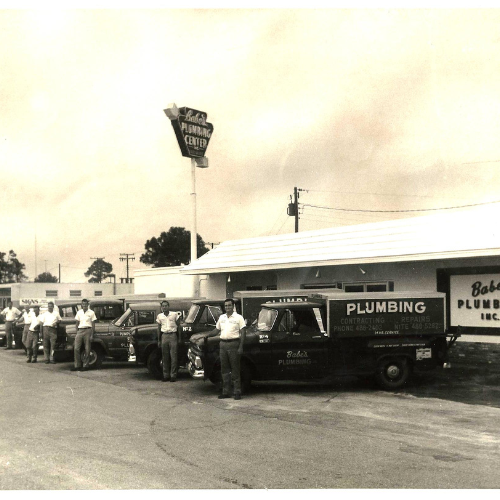
Don't wait until your guests are knocking on the door to realize your water heater is on the fritz. Take an hour this weekend to perform these checks. If you discover a leak or a pilot light that simply won't stay lit, give us a call. We have been serving Boca Grande and surrounding Southwest Florida communities since 1957, providing reliable plumbing services that stand the test of time.
Whether it’s a minor repair or a full replacement, our team is ready to ensure your summer is filled with nothing but warm memories and hot showers.
Frequently Asked Questions
Q: How long does a gas water heater typically last?
A: On average, a well-maintained gas water heater lasts between 8 to 12 years. Regular flushing can extend this lifespan, while Florida’s hard water can shorten it if ignored.
Q: Why does my water heater make a popping or rumbling sound?
A: This is usually caused by sediment buildup at the bottom of the tank. Steam bubbles escape from under the sediment layer, creating a popping sound. This is a sign you need to flush your tank immediately.
Q: Is it cheaper to repair or replace my water heater?
A: If the unit is over 8 years old and requires a major component like a gas control valve, replacement is often more cost-effective in the long run. We always provide a clear estimate so you can make the best financial decision.
Q: Can I change a thermocouple myself?
A: While it is possible for a very handy homeowner, it involves disconnecting gas components. If you are not 100% confident in your ability to check for gas leaks afterward, it is safer to call a professional.

Contact Babe’s Plumbing, Inc. Today
Ready to ensure your home is guest-ready? Don't let a failing appliance ruin your summer plans. Babe’s Plumbing, Inc. is here to help with expert diagnostics and high-quality repairs.
Babe's Plumbing, Inc.
105 Bluegrass Ct. Nokomis, FL 34275 | (941) 488-2402
4585 Tamiami Trail, Port Charlotte, FL 33980 | (941) 624-4343
Website: https://babesplumbing.com