An electrical problem does not always happen with sparks or smoke. Sometimes, the warning signs are less obvious: a breaker that trips repeatedly, an outlet that feels warm, or wiring that has deteriorated over time. If these signs are left unaddressed, they can lead to situations that may cause a fire.
Regular electrical maintenance helps identify potential problems before they become more serious. A professional inspection reveals issues that are easy to overlook during everyday use, giving property owners a clearer picture of their system’s condition and the repairs it may need.
Why Electrical Inspections Matter for Fire Prevention
Electrical systems handle a steady demand for power from lightning, appliances, heating and cooling equipment, and other devices. As a property ages or its electrical needs change, existing wiring and circuits may no longer be suitable for the load they carry.
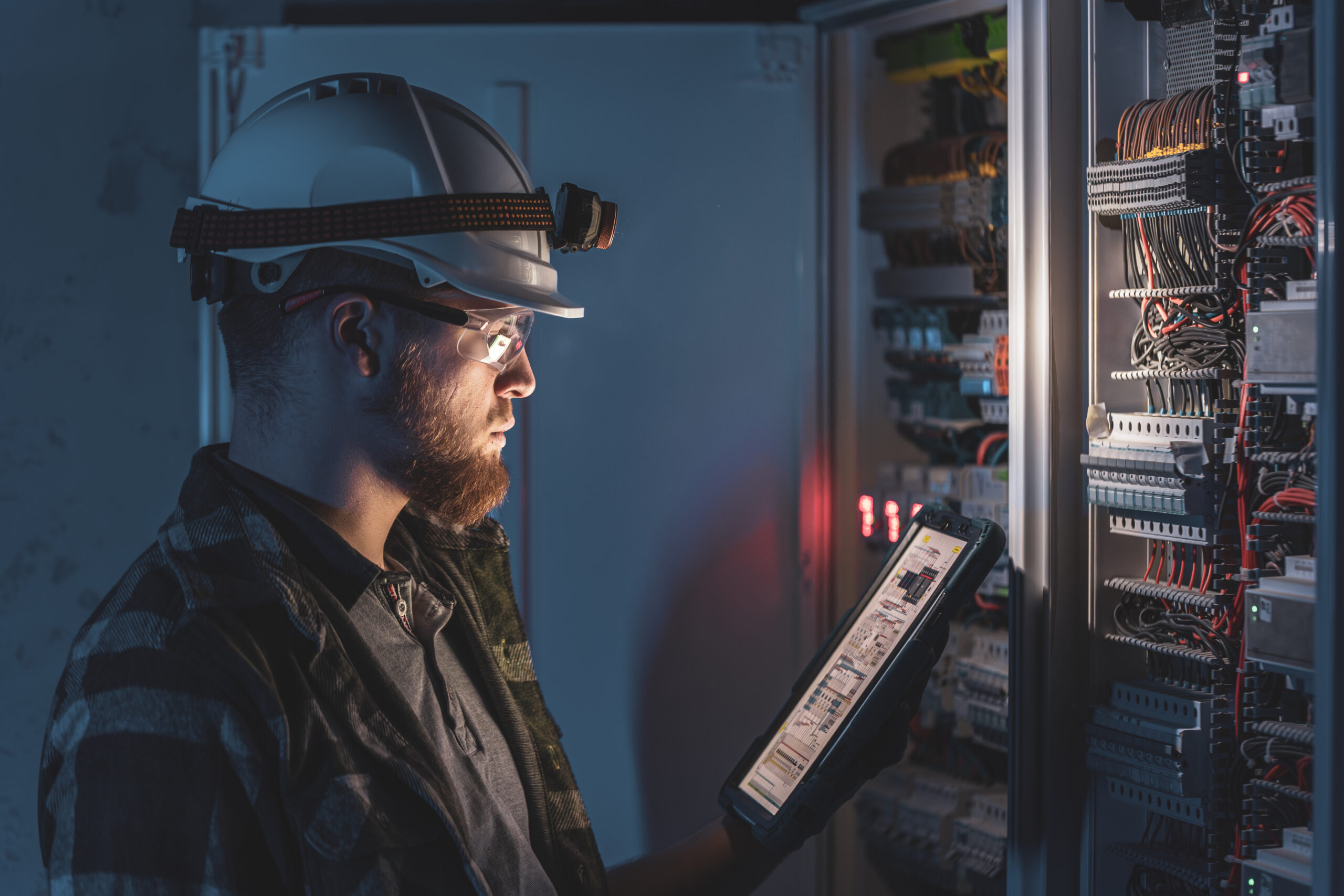
Damaged insulation, loose connections, and overloaded circuits can generate excessive heat or electrical arcing. An inspection gives a qualified professional an opportunity to assess accessible components, identify signs of deterioration, and determine whether further testing or repairs are necessary.
An annual check can be a useful maintenance practice, especially when recommended for a property’s usage. However, the appropriate inspection schedule depends on the electrical system, applicable requirements, and professional advice.
What an Electrical Inspection Can Catch
Damaged or Deteriorating Wiring
Wiring can get damaged over time due to age, physical wear, moisture exposure, or previous work that was not completed properly. Deteriorated insulation may expose conductors or increase the risk of short circuits and electrical arcing.
An electrician can examine accessible wiring and connections for visible damage, improper installation, or other concerns. Hidden problems may require additional investigation, so a visual inspection alone cannot identify every potential fault.
Loose Connections and Overheating
Electrical connections need to remain secure. When a connection becomes loose or deteriorates, electrical resistance can generate heat. In some cases, the problem develops inside an electrical panel, junction box, or other component where it may not be visible to occupants.
During an inspection, a professional can look for signs such as discoloration, heat damage, or other evidence of a failing connection. Any necessary testing or corrective work should be performed using appropriate safety procedures.
Overhead Circuits and Panel Problems
Modern properties often use more electrical equipment than they did when their systems were first installed. Adding appliances, air conditioning equipment, or other high-demand devices can place additional pressure on existing circuits.
An inspection can help identify potential overloading, incorrectly rated protective devices, and panel conditions that need attention. Repeatedly tripping breakers should not be treated as a minor inconvenience. A qualified electrician can determine why the circuit is tripping and recommend an appropriate solution.
Damaged Outlets, Switches, and Electrical Components
Outlets and switches are used regularly, and their condition can change over time. Cracked covers, loose receptacles, scorch marks, buzzing sounds, and unusually warm surfaces can indicate an electrical problem.
A professional can assess these components and determine whether repair or replacement is needed. Avoid using a damaged outlet, and do not attempt to remove covers or investigate wiring yourself.
Improper Electrical Installations
Previous renovations, additional equipment, or DIY electrical work can leave behind unsafe connections or installations that do not meet applicable requirements.
An inspection may identify visible installation concerns, missing protective components, or other conditions that warrant correction. The electrician can explain which issues need attention and whether further evaluation is required.
Warning Signs You Should Never Ignore
Scheduled maintenance is useful, but you should not wait for your next appointment if something swrong. Pay attention to:
- A burning smell near outlets, switches, or electrical equipment.
- Sparks, sizzling, or persistent buzzing sounds.
- Scorch marks or discoloration around electrical components.
- Frequently tripped breakers or blown fuses.
- Flickering lights or outlets that feel unusually warm.
If you notice smoke, active sparking, or a strong burning smell, move away from the affected area and contact emergency services when a fire or immediate danger is suspected. Do not touch damaged equipment or attempt to open an electrical panel. For other concerning signs, stop using the affected outlet or equipment and arrange prompt professional assessment.
Make Electrical Safety Part of Your Maintenance Plan
Electrical fire prevention is not about waiting for something to fail. It means paying attention to warning signs, maintaining equipment, and addressing problems before they become more dangerous. Inspection schedules should reflect your property’s condition, electrical demands, and applicable requirements.
At Babe’s Plumbing, we provide electrical services, including wiring repairs and panel upgrades, alongside our fire protection services. If you have concerns about your electrical system, contact our team to discuss the appropriate next step. Searching for an electrician near me in Sarasota, Venice, and Port Charlotte? Reach out to us today.